Are Nootropic Supplements Safe? Common Questions Answered
| The honest picture | For most healthy adults, a well-formulated nootropic taken as directed is generally well tolerated — safety depends on the ingredients, the dose and how you use it. |
| Biggest factor | Choosing a transparent, reputable brand and following the label, because supplements are not pre-approved for effectiveness like drugs. |
| Always check first if | You are pregnant or nursing, under 18, take medication, or manage a health condition. |
| The golden rule | A supplement is optional everyday support — never a substitute for medical care. |
“Are nootropic supplements safe?” is one of the most sensible questions you can ask before adding anything to your routine — and it deserves a calm, balanced answer rather than either hype or fear. The honest response is: it depends, and the things it depends on are mostly within your control. This guide walks through how nootropics are regulated, what safety really hinges on, who should be cautious, and the simple rules that keep everyday use responsible.
We are an independent editorial team, not doctors, and nothing here is medical advice. Think of it as a practical framework for asking better questions — including the questions to bring to your own healthcare professional.
What “nootropic” actually covers
The word nootropic is broad. It stretches from an everyday cup of coffee to prescription medicines, with a wide middle ground of dietary supplements in between. That range is exactly why a blanket “yes” or “no” on safety is meaningless. A gentle, well-labelled daily memory-support capsule and a heavily stimulant-loaded pre-workout blend are both technically “nootropics,” but they are not remotely the same conversation.
So the useful question is not “are nootropics safe?” in the abstract, but “is this product, at this dose, safe for me?” The rest of this guide helps you answer that version.
How nootropic supplements are regulated
In the United States, dietary supplements are regulated as food, not as drugs. In practice that means a few important things:
The regulatory position is the single most important fact here, and it surprises most buyers. In the United States a dietary supplement does not need pre-market approval for safety or effectiveness; responsibility for both sits with the manufacturer, and the FDA acts mainly after a product is already on sale (U.S. Food and Drug Administration). That is not a scandal, but it does mean the brand you choose is doing work a regulator is not.
- Makers carry the responsibility. Companies are responsible for the safety and honest labelling of what they sell.
- Manufacturing standards apply. Good Manufacturing Practices (GMP) set a baseline for how products should be made, which is why a GMP-registered facility is a signal worth looking for.
- They are not pre-approved for effectiveness. Unlike medicines, supplements do not go through a pre-market approval process proving they work. This is why they legally describe general or traditional use rather than treating disease.
The takeaway is not that supplements are unregulated — they are not — but that the burden of choosing well sits more with the buyer. That is why picking a transparent, reputable brand is the single biggest safety decision you make. Our guide on how to choose a memory supplement walks through exactly what to look for.
What safety really depends on
Whether a given nootropic is safe for you comes down to a handful of factors.
The specific ingredients
This is the big one. A formula is only as sensible as what is inside it and how much. Transparent labels that disclose each ingredient and its amount let you and your doctor make an informed call. Hidden proprietary blends make that harder, which is a safety issue as much as a value one.
The dose and directions
More is not better. Sensible products are formulated around a reasonable daily amount, and the label tells you how to take it. Following those directions — rather than doubling up because you forgot yesterday — is a core part of using any supplement safely.
Your own body and circumstances
Age, health conditions, pregnancy, other medicines and even personal sensitivity all change the equation. The same product can be fine for one person and a bad idea for another. This is not a flaw; it is simply why individual advice beats a generic verdict.
A simple, transparent daily capsule
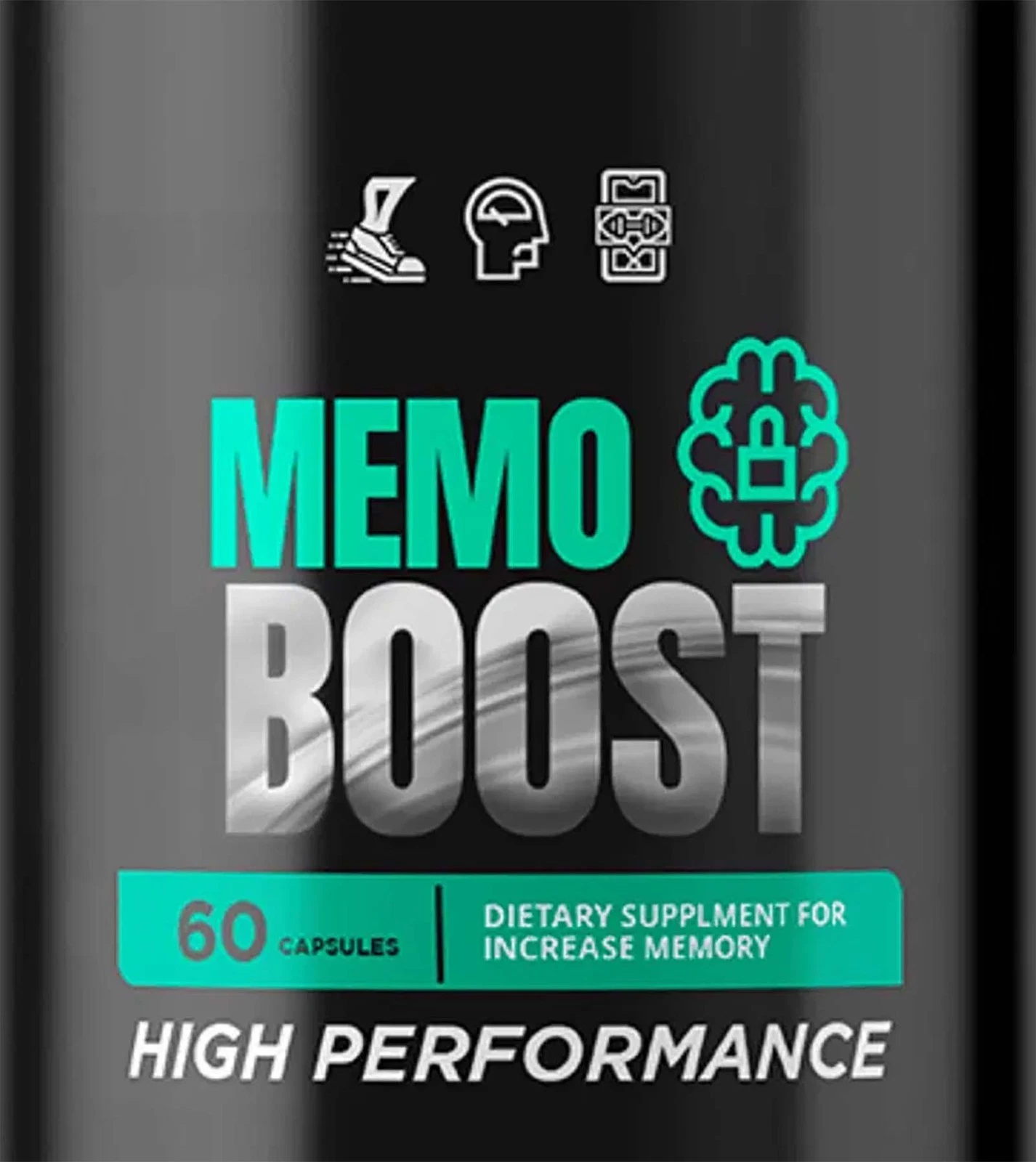
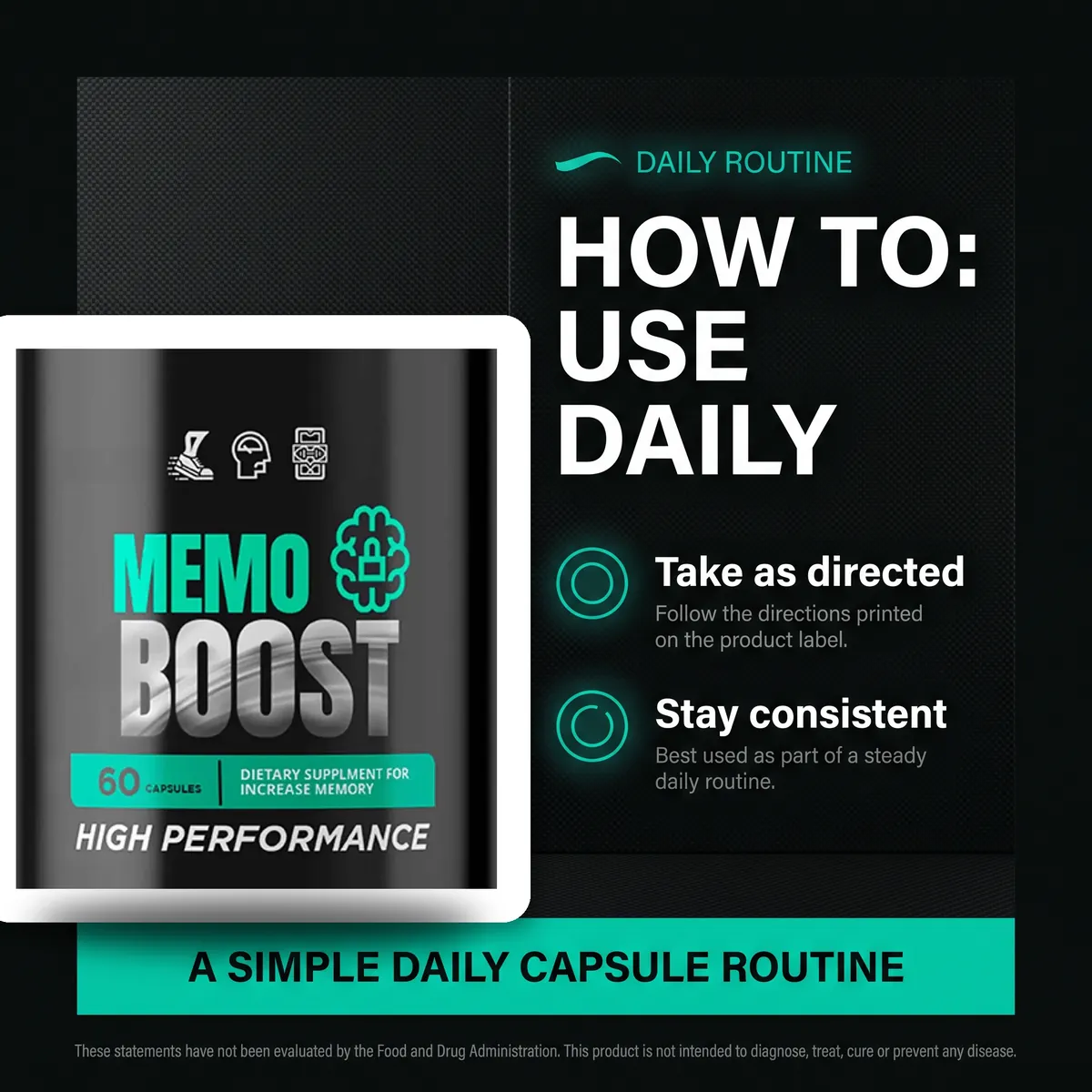
Memo Boost is a single daily nootropic capsule made in the USA in a GMP-registered facility, with directions printed clearly on the label — backed by a 60-day money-back guarantee.
See Memo Boost PackagesPossible side effects and interactions
Any supplement can cause side effects in some people. The most common are mild and digestive — a little stomach upset when starting something new. With products that contain stimulants, jitteriness, a racing feeling or disturbed sleep are the usual suspects, which is one reason some people prefer a non-stimulant daily capsule (and why our nootropics vs coffee comparison is worth a read).
Supplement harm is uncommon but it is not zero. A national surveillance study estimated roughly 23,000 emergency department visits a year in the United States attributable to adverse events from dietary supplements, most often cardiac symptoms following weight-loss or energy products in young adults (Geller et al., New England Journal of Medicine, 2015). Memory capsules are not the usual culprits, but the number is a reason to read a panel rather than assume.
Interactions matter even more than side effects. Some ingredients can interact with prescription or over-the-counter medicines. This is the single most important reason to talk to your doctor or pharmacist before starting, especially if you take anything regularly. A helpful tip: bring the actual bottle or a photo of the label so they can see the full ingredient list rather than guessing.
It is also worth separating two different worries people tend to blur together. The first is whether an ingredient is inherently risky; the second is whether a particular bottle actually contains what its label says, in the amount it claims, without unwanted contaminants. The second worry is really a quality-control question, and it is answered by choosing a maker with genuine manufacturing standards rather than by avoiding supplements altogether. A GMP-registered facility, a transparent Supplement Facts panel and a company that answers its email do far more for real-world safety than any single “natural” badge on the front of the box. In other words, most of your safety is decided at the moment you choose the brand, long before the first capsule.
Who should be extra cautious
Some groups should always check with a healthcare professional before taking a nootropic supplement:
The groups who need to be careful are consistent across every official source. NCCIH advises telling all your health care providers about any complementary product you take, and singles out pregnancy, breastfeeding, children, surgery and existing prescriptions as situations that warrant a conversation first (National Center for Complementary and Integrative Health).
- People who are pregnant or nursing.
- Anyone under 18.
- People taking prescription medication.
- Anyone managing a health condition, or scheduled for surgery.
This is not a reason for alarm — it is ordinary caution. When in doubt, ask first.
Simple rules for using a nootropic responsibly
- Choose transparency. Prefer products that disclose each ingredient and its amount.
- Read and follow the label. The bottle you receive is the source of truth for dosing and directions.
- Start as directed and pay attention. Notice how you feel over the first days rather than judging on a single dose.
- Do not stack blindly. Avoid doubling up on the same ingredient across multiple products.
- Loop in a professional. Especially if you take medication or have a condition.
- Keep expectations realistic. A supplement is background support, not a cure, and it works best alongside the fundamentals in our guide to improving memory and focus naturally.
Support you can feel good about
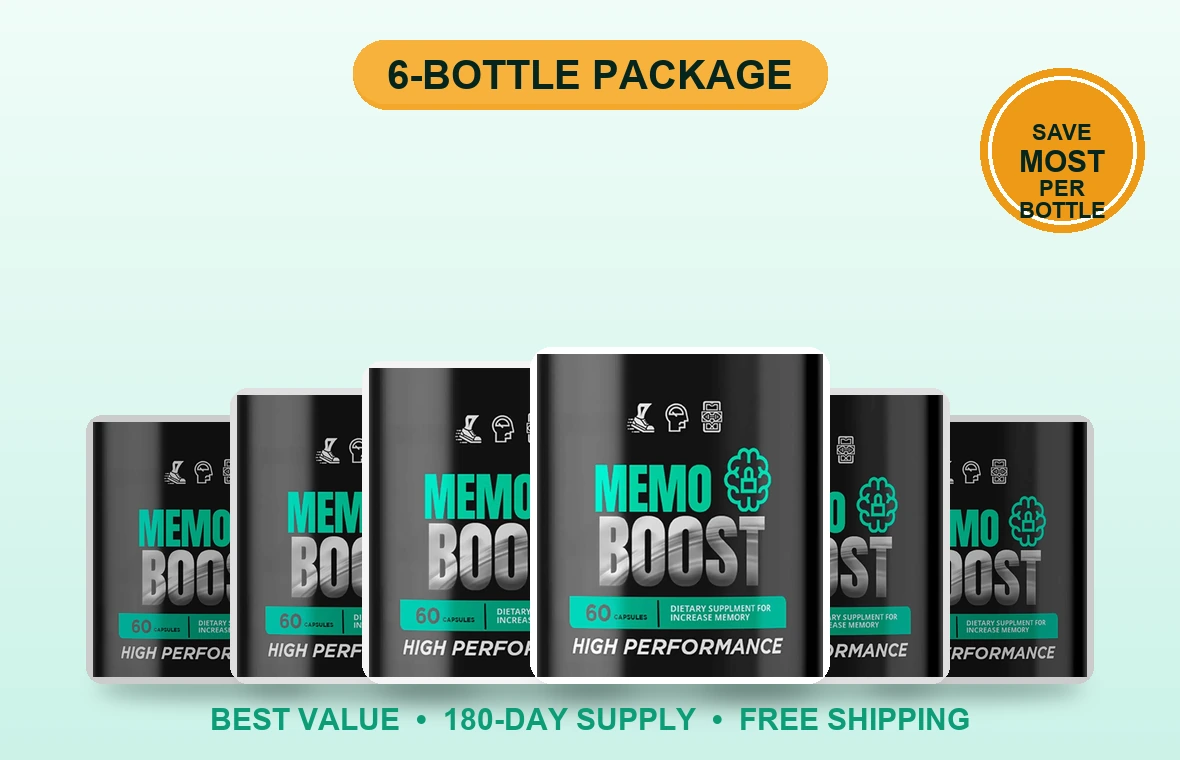
Memo Boost keeps it simple and transparent: one daily capsule, made in the USA, with a 60-day money-back guarantee. Multi-bottle packages are available for a steady routine.
Two questions come up so often they deserve their own answers. If you are worried about needing the capsule rather than simply taking it, read our piece on whether nootropics are addictive. If your comparison is against a prescription, the differences in oversight and purpose are set out in natural nootropics versus prescription smart drugs.
 Order Memo Boost Today
Frequently asked questions
Are nootropic supplements safe for healthy adults?
For most healthy adults, a well-formulated nootropic supplement taken as directed is generally well tolerated. Safety depends heavily on the specific ingredients, honest labelling, a sensible dose and how you use it. Read the label, follow the directions, and speak to your doctor if you have any health condition or take medication.
How are nootropic supplements regulated?
In the United States, dietary supplements are regulated as food rather than as drugs. Makers are responsible for the safety and labelling of their products, and quality manufacturing standards such as GMP apply, but supplements are not pre-approved for effectiveness the way medicines are. This is why choosing a transparent, reputable brand matters so much.
Do nootropic supplements have side effects?
Any supplement can cause side effects in some people, most commonly mild digestive upset or, with stimulant-containing blends, jitteriness or disturbed sleep. Reactions vary by individual and by ingredient. Start as directed, notice how you feel, and stop and consult a professional if anything concerns you.
Can nootropics interact with medication?
Yes, some ingredients can interact with prescription or over-the-counter medicines. This is the single most important reason to talk to your doctor or pharmacist before starting, particularly if you take anything regularly. Bring the actual label so they can see the full ingredient list.
Who should not take a nootropic supplement?
People who are pregnant or nursing, anyone under 18, and those managing a health condition or taking medication should check with a healthcare professional before use. When in doubt, ask first. A supplement is optional everyday support, never a substitute for medical care.
References
- Geller AI, Shehab N, Weidle NJ, et al. (2015). Emergency Department Visits for Adverse Events Related to Dietary Supplements. New England Journal of Medicine, 373(16). PMID 26465986
- Tucker J, Fischer T, Upjohn L, Mazzera D, Kumar M (2018). Unapproved Pharmaceutical Ingredients Included in Dietary Supplements Associated With US Food and Drug Administration Warnings. JAMA Network Open, 1(6). PMID 30646238
- U.S. Food and Drug Administration. Dietary Supplements. fda.gov
- National Center for Complementary and Integrative Health. Using Dietary Supplements Wisely. nccih.nih.gov
- National Institutes of Health, Office of Dietary Supplements. Dietary Supplements: What You Need to Know. ods.od.nih.gov
- U.S. Federal Trade Commission. Health Products Compliance Guidance. ftc.gov
† These statements have not been evaluated by the FDA. This product is not intended to diagnose, treat, cure or prevent any disease. This article is for general information only and is not medical advice.