Natural Nootropics vs Prescription Smart Drugs: What’s the Difference?
| Different legal categories | Natural nootropics are over-the-counter dietary supplements; prescription smart drugs are approved medicines. |
| Different access | Supplements are bought freely; prescription medicines require a doctor and a pharmacy. |
| Different purpose | Supplements offer general everyday support; medicines are approved to treat specific diagnosed conditions. |
| Same golden rule | Talk to a healthcare professional — a supplement never replaces a prescribed medicine. |
Search around long enough and you will see the terms used almost interchangeably, which causes real confusion. So let us be precise from the start: natural nootropics and prescription smart drugs are not two flavours of the same thing. They sit in different legal categories, you get them in completely different ways, and they are designed for different jobs. Understanding those differences is the single most useful thing you can do before deciding what — if anything — belongs in your routine.
This is a plain-English, non-medical comparison. It will not tell you to take one or avoid the other, and it is not a substitute for advice from your own doctor. What it will do is lay the two side by side across the factors that actually matter, so the picture is clear.
First, a quick definition of each
Natural nootropics are dietary supplements marketed for everyday mental-performance support. They are typically built from botanicals, amino acids, vitamins and minerals, and other food-derived ingredients. Legally they are foods, not drugs. They are sold over the counter, and — by law — they describe general or traditional use rather than claiming to treat a disease.
Prescription smart drugs is an informal umbrella term people use for pharmaceutical medicines that a doctor may prescribe for specific, diagnosed conditions. These are approved drugs: they go through formal clinical trials, they are dispensed through a pharmacy, and their use is supervised by a healthcare professional. They are not lifestyle products you buy on a whim, and obtaining them without a prescription is neither safe nor legal.
Difference 1: Regulation and oversight
This is the foundational difference. In the United States, dietary supplements are regulated as a category of food. Makers are responsible for the safety and labelling of their products, manufacturing should follow Good Manufacturing Practices, and marketing claims are policed for honesty — but supplements are not put through the pre-market drug-approval process. Prescription medicines, by contrast, must be proven safe and effective for their intended use through that formal approval process before they can be sold at all.
The two categories sit under different laws, not merely different shelves. A dietary supplement reaches the market without pre-approval of its safety or effectiveness, with the manufacturer carrying that responsibility (U.S. Food and Drug Administration). A prescription medicine reaches it only after trials reviewed by a regulator — which is a higher bar for the drug and a reason it needs a prescriber.
What that means in practice: a medicine arrives with a large, studied body of evidence for a specific approved use and a defined risk profile managed by a prescriber. A supplement arrives as general everyday support, where quality varies between makers — which is exactly why transparency and manufacturing standards matter so much when you choose one. If you want the full checklist, see our guide on how to choose a memory supplement.
Difference 2: How you get them
The access difference is stark and practical. You can buy a natural nootropic online or off a shelf, today, with no gatekeeper. That convenience is a genuine advantage for a healthy adult who wants simple everyday support — and also a reason to be your own careful gatekeeper, since no professional is standing between you and the purchase.
In practice a great deal of prescription smart-drug use never involves a prescriber at all. A systematic review of university students found non-medical stimulant use to be common, typically sourced informally from peers, and frequently accompanied by unanticipated side effects (Sharif et al., Brain Sciences, 2021).
Prescription smart drugs are the opposite by design. A doctor assesses whether they are appropriate, decides the dose, and monitors their use. That process exists to manage real risks and to match a specific medicine to a specific diagnosed need. It is not red tape for its own sake — it is the safety system that makes those medicines usable.
Difference 3: What they are actually for
This is where people most often talk past each other. Prescription medicines are approved to treat particular diagnosed conditions. That is their purpose, and it is a medical one. Natural nootropics are not treatments for anything — they are everyday support products aimed at generally healthy people who want a simple daily backup for busy work, study and life. A supplement cannot and does not claim to treat, cure or prevent a condition, and any product that does is breaking the rules.
So “which is better” is the wrong question, because they are answering different needs. If someone has a diagnosed condition, that is a medical situation for a doctor. If someone is a healthy adult wanting light daily support on top of good habits, that is the supplement lane. Keeping the lanes separate is what keeps expectations — and safety — realistic.
The over-the-counter, everyday-support option
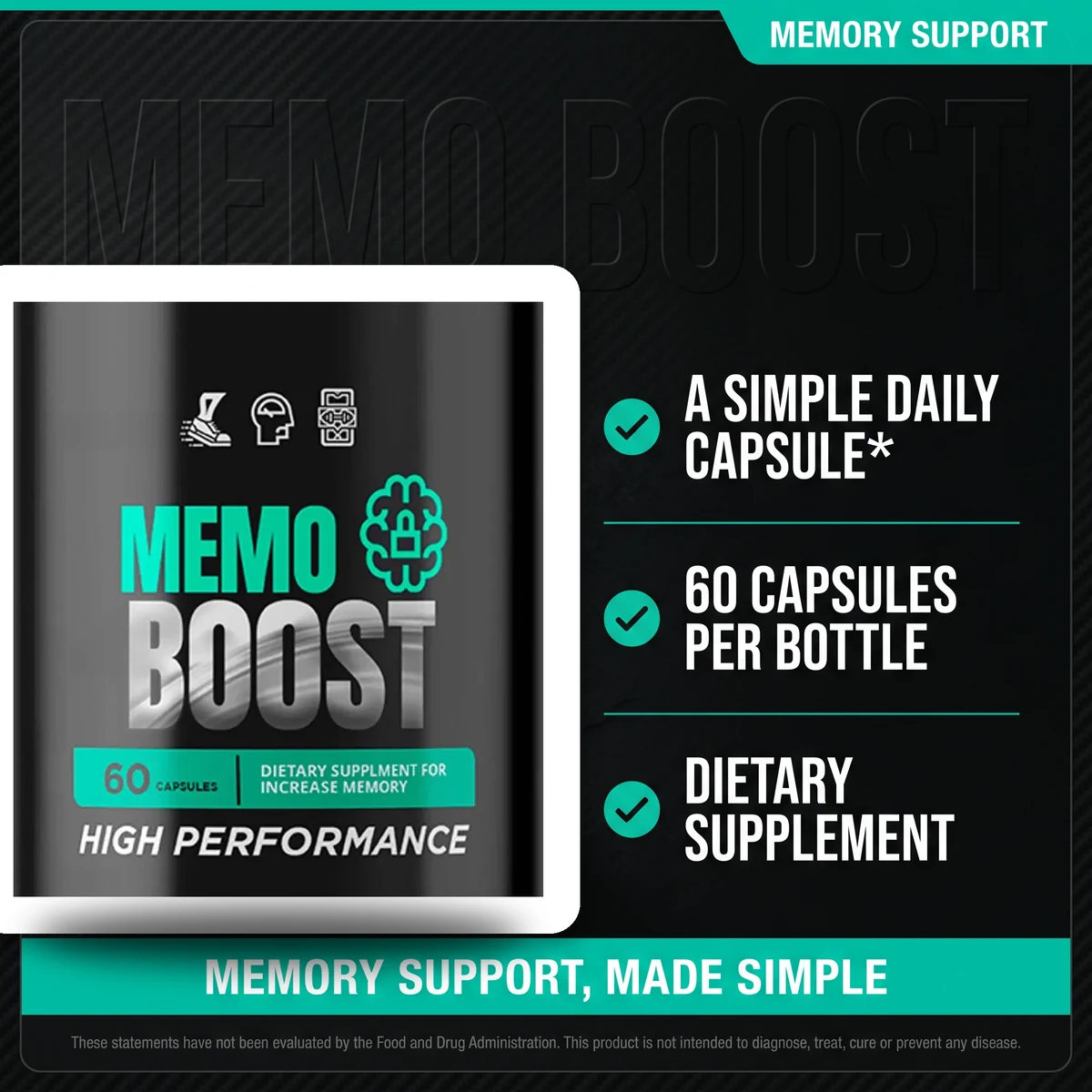
Memo Boost is a single daily nootropic capsule for general, everyday memory and focus support — made in the USA in a GMP-registered facility, with transparent labelling and a 60-day money-back guarantee. It is a supplement, not a medicine, and not a replacement for one.
See Memo Boost PackagesDifference 4: Speed and the way effects feel
Prescription stimulant medicines are generally designed for a noticeable, same-day pharmacological effect within their approved use. Natural nootropic supplements are usually designed as gradual, cumulative support — some elements may be felt sooner, while others build with consistent daily use over weeks. That is a feature, not a shortfall: everyday support is meant to be steady, not a spike. If you are curious how the timelines differ, our guide on how long nootropics take to work sets realistic expectations for the supplement side.
The prescription compounds do something measurable, but less than their reputation suggests. Meta-analyses of modafinil, methylphenidate and D-amphetamine in healthy adults found small and inconsistent effects on cognitive performance, with the clearest gains in sustained attention rather than in learning or memory (Roberts et al., European Neuropsychopharmacology, 2020). An earlier review of modafinil specifically reached much the same conclusion (Battleday & Brem, 2015).
Difference 5: Cost and commitment
The cost structures differ too. Prescription medicines involve a doctor's visit, ongoing supervision and pharmacy dispensing — a more involved commitment with medical oversight built in. An over-the-counter supplement is a lower-commitment purchase you manage yourself, best judged on cost per day rather than sticker price. Neither is automatically cheaper or better value; they simply come with different strings attached.
The one rule that applies to both
Whichever category you are weighing, the responsible step is the same: talk to a healthcare professional, especially if you are pregnant or nursing, under 18, take prescription medication, or manage a health condition. That is doubly important because supplements can interact with medicines. And it bears repeating plainly: a dietary supplement is never a substitute for a prescribed medicine, and no supplement should be used to self-treat a diagnosed condition. For a calm, balanced look at supplement safety on its own, see are nootropic supplements safe.
So which fits you?
If you have a diagnosed condition, the conversation is a medical one and belongs with your doctor — full stop. If you are a generally healthy adult who has the free fundamentals broadly in place and wants a simple, low-commitment daily support to sit on top of them, an over-the-counter nootropic supplement may be a reasonable fit — chosen carefully from a transparent maker and taken exactly as directed. The two categories are not rivals. They are different tools for different jobs, and knowing which job you are trying to do is the whole answer.
A simple daily supplement to sit on top of good habits
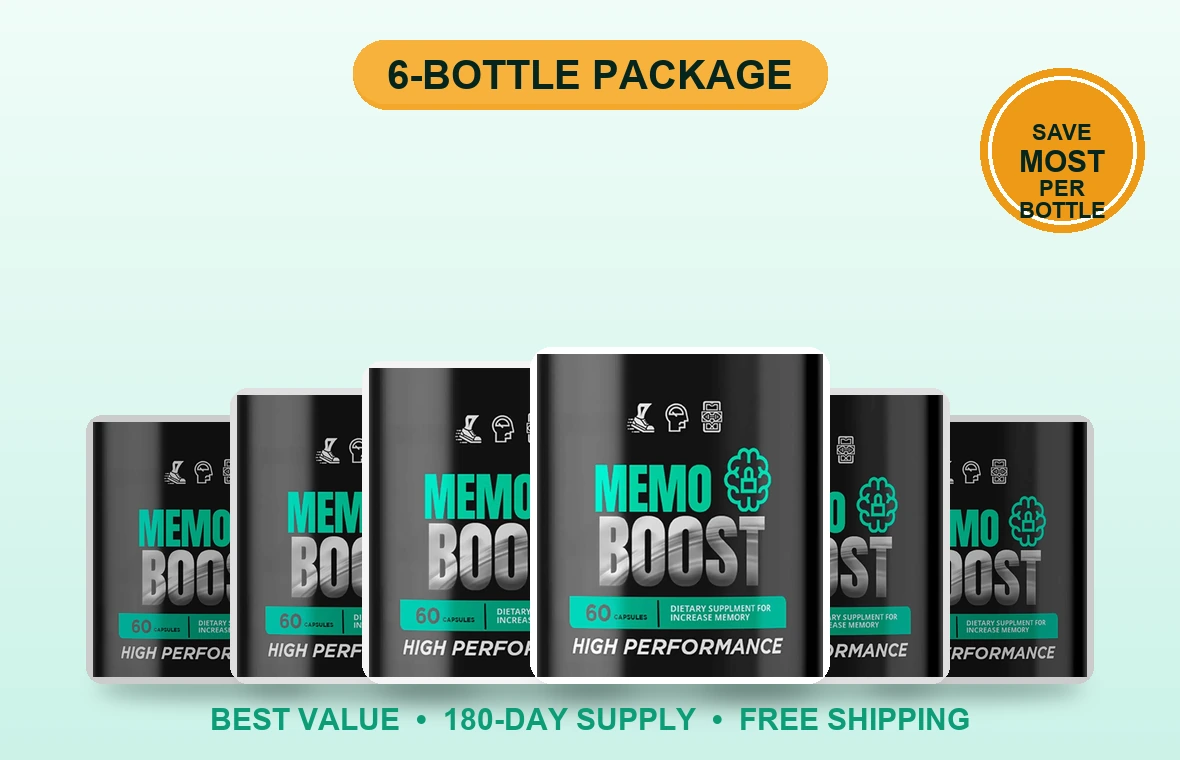
If everyday, over-the-counter support is what you are after, Memo Boost keeps it simple: one clearly-labelled daily capsule, made in the USA, with a 60-day money-back guarantee. Multi-bottle packages lower the per-bottle cost.
 Order Memo Boost Today
Frequently asked questions
What is the difference between natural nootropics and prescription smart drugs?
Natural nootropics are dietary supplements sold over the counter and made from ingredients like botanicals, amino acids and vitamins; they are regulated as foods and describe general or traditional use. Prescription smart drugs are pharmaceutical medicines approved to treat specific diagnosed conditions, available only through a doctor and a pharmacy, and regulated as drugs with formal clinical trials behind them. The two are legally and practically different categories.
Are natural nootropics safer than prescription smart drugs?
They are different rather than simply safer or riskier. Prescription medicines carry known, studied effects and are used under medical supervision, which manages their risks. Supplements are generally formulated for everyday support and are widely used, but they are not risk-free and can interact with medication. The responsible path for either is to talk to a healthcare professional, especially if you take other medicines or manage a health condition.
Can a supplement replace a prescription medicine?
No. A dietary supplement is not a substitute for a prescribed medicine and cannot treat, cure or prevent a diagnosed condition. If a doctor has prescribed something, that decision should be made and changed only with them. A supplement is best thought of as everyday support that sits alongside good habits, not as a replacement for medical treatment.
Do prescription smart drugs work faster than natural nootropics?
Prescription stimulant medicines are typically designed for a noticeable, same-day pharmacological effect within their approved use. Natural nootropic supplements are usually designed as gradual, cumulative everyday support, where some effects may be felt sooner and others build over weeks. They are built for different purposes, so comparing them purely on speed misses the point.
Which should I choose?
That is a personal decision to make with a healthcare professional based on your situation. If you have a diagnosed condition, that is a medical conversation. If you are a generally healthy adult looking for a simple, low-commitment daily support to sit on top of good sleep, movement and nutrition, an over-the-counter nootropic supplement may fit — chosen carefully, from a transparent maker, and taken as directed.
References
- Sharif S, Guirguis A, Fergus S, Schifano F (2021). The use and impact of cognitive enhancers among university students: a systematic review. Brain Sciences, 11(3). PMID 33802176
- Roberts CA, Jones A, Sumnall H, Gage SH, Montgomery C (2020). How effective are pharmaceuticals for cognitive enhancement in healthy adults? A series of meta-analyses of cognitive performance during acute administration of modafinil, methylphenidate and D-amphetamine. European Neuropsychopharmacology, 38. PMID 32709551
- Battleday RM, Brem AK (2015). Modafinil for cognitive neuroenhancement in healthy non-sleep-deprived subjects: a systematic review. European Neuropsychopharmacology, 25(11). PMID 26381811
- U.S. Food and Drug Administration. Dietary Supplements. fda.gov
- National Center for Complementary and Integrative Health. Dietary and Herbal Supplements. nccih.nih.gov
- National Institutes of Health, Office of Dietary Supplements. Dietary Supplements: What You Need to Know. ods.od.nih.gov
† These statements have not been evaluated by the FDA. This product is not intended to diagnose, treat, cure or prevent any disease. This article is for general information only and is not medical advice.