Nootropics vs Multivitamins for Brain Health: What’s the Difference?
| Multivitamin | Broad nutritional insurance — fills everyday gaps in vitamins and minerals across the whole body. |
| Nootropic | A targeted supplement built specifically around memory, focus and mental performance. |
| Overlap | Some nootropics include brain-relevant vitamins, but a multivitamin is not a purpose-built memory product. |
| Together? | Often complementary — read both labels, avoid doubling up, and check with your doctor if you take medication. |
If you have ever stood in the supplement aisle wondering whether you need a brain-focused nootropic, a general multivitamin, or both, you are asking a genuinely useful question. The debate over nootropics vs multivitamins for brain health comes up constantly, and the honest answer is that they are not really rivals — they are built to do different jobs. Understanding what each one is actually designed for makes the choice far easier, and often reveals that the smart move is not either-or.
This guide breaks down what a multivitamin does, what a nootropic does, where the two overlap, whether it is sensible to take them together, and how to decide which one belongs in your routine first.
What a multivitamin is designed to do
A multivitamin is best thought of as nutritional insurance. It supplies a broad spread of essential vitamins and minerals — things like vitamin C, vitamin D, several B vitamins, and minerals such as zinc and magnesium — in modest amounts, aiming to cover the whole body. Its purpose is to reduce the risk of everyday dietary gaps, not to target one system in particular. If your eating is inconsistent, a multivitamin acts as a safety net across many nutrients at once.
A multivitamin is insurance against shortfall, not a targeted intervention. The NIH Office of Dietary Supplements describes multivitamin-mineral products as broad-spectrum cover for nutrients that may be under-consumed, rather than as treatments aimed at any particular outcome (NIH Office of Dietary Supplements).
Crucially, a multivitamin is a generalist. It is not formulated to concentrate on memory or focus, and the amounts of any single nutrient are usually kept modest precisely because it is spreading its coverage widely.
What a nootropic is designed to do
A nootropic — the kind sold as a daily memory-support supplement — is a specialist. Instead of covering the whole body, it is built specifically around mental performance: memory, focus, clarity and the ability to stay sharp through a demanding day. Its ingredient list tends to feature compounds chosen for the brain, and a good one dedicates meaningful amounts to that single goal rather than spreading thin across dozens of nutrients.
In other words, a multivitamin asks “what might your diet be missing?” while a nootropic asks “what specifically supports memory and focus?” That difference in intent is the heart of the comparison.
Where the two overlap
The line is not perfectly clean. Some nootropics include a few brain-relevant vitamins — certain B vitamins, for example, are commonly featured because of their general role in everyday energy and nervous-system function. And some “brain health” multivitamins bolt on a token nootropic ingredient or two. This overlap is exactly why it pays to read both labels rather than assume. If you take a nootropic that already contains a nutrient, and a multivitamin that contains the same one, you may be getting more of it than you intended.
Here is the awkward finding for the nootropic side. In a randomised clinical trial within the COSMOS programme, older adults taking a daily multivitamin showed improved memory performance compared with placebo over one year (Yeung et al., American Journal of Clinical Nutrition, 2023) — a cheap, unglamorous product producing the kind of result memory formulas advertise.
The practical takeaway: a nootropic that happens to include a couple of vitamins is still a targeted memory product, and a multivitamin with a sprinkle of a trendy herb is still a generalist. Judge each product by what it is mostly built to do.
Want a supplement built for memory, not everything?
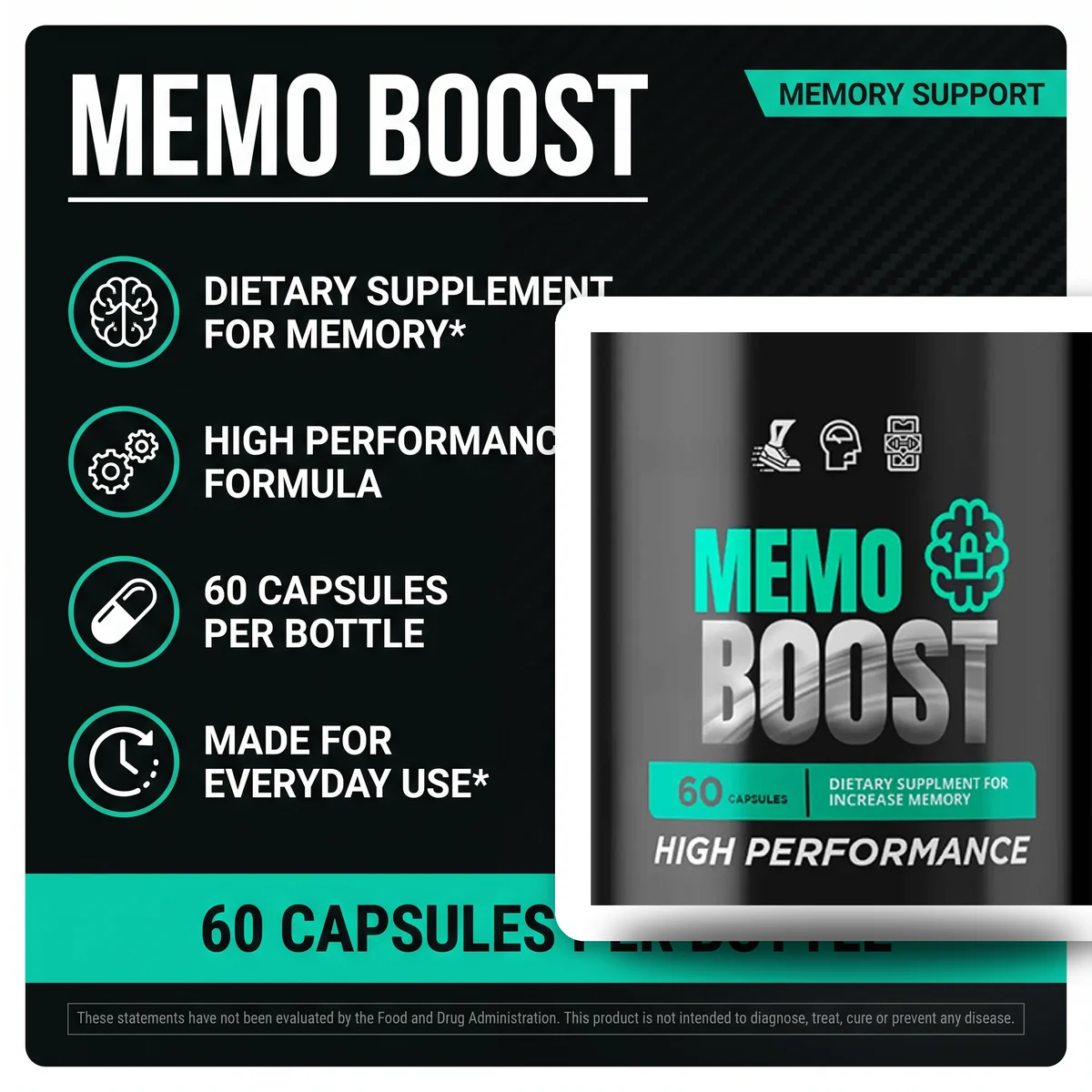
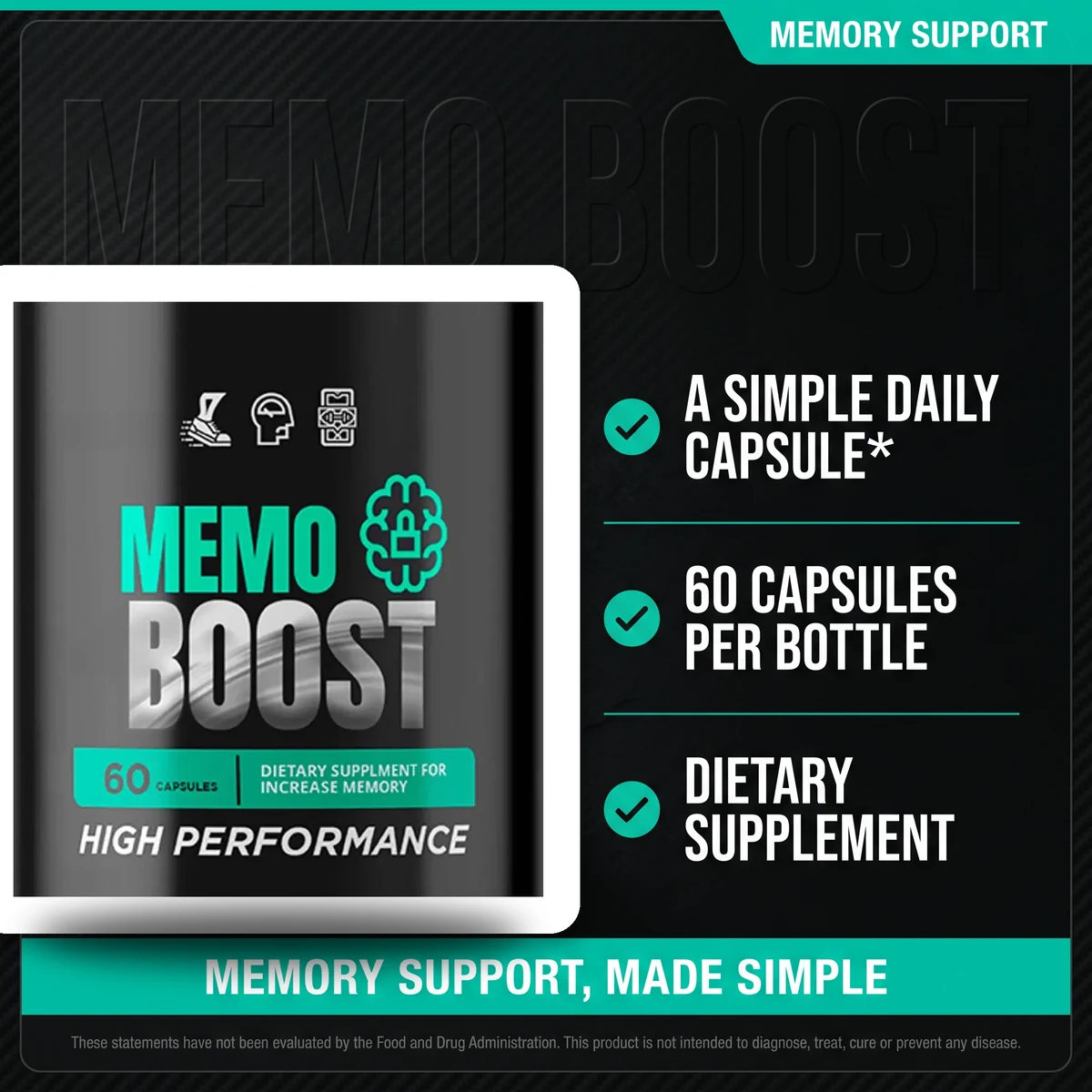
Memo Boost is a purpose-built daily nootropic capsule focused squarely on everyday memory and focus — backed by a 60-day money-back guarantee.
See Memo Boost PackagesA simple way to picture the difference
If it helps, think of your daily nutrition as a house. A multivitamin is like general building insurance — broad, sensible cover across the whole property, there in case something in your diet is quietly missing. A nootropic is more like upgrading one specific room you actually use every day: the study. You would not buy insurance instead of a desk, or a desk instead of insurance — they solve different problems. Seen this way, the “versus” framing dissolves. The real question is not which product is better, but which job you are trying to do right now, and whether your budget stretches to both.
Can you take a nootropic and a multivitamin together?
Often, yes — because they are doing different jobs, a well-chosen pair need not overlap heavily. Many people use a multivitamin as their broad nutritional base and a nootropic as their focused memory support. The sensible rules are the same as for combining any two supplements:
- Read both labels fully. Check for the same ingredient appearing in both, and avoid unintentionally doubling up.
- Stick to the directed amounts. More is not better; each product is dosed to be taken as directed.
- Mind fat-soluble vitamins. Some nutrients accumulate rather than being flushed out, so overlap matters more with these.
- Ask a professional. If you take medication, are pregnant, or have a health condition, check with your doctor or pharmacist before stacking anything.
For the wider picture on combining supplements safely, see our guide on whether nootropic supplements are safe.
Cost and value: which gives you more per dollar?
This depends entirely on your goal. If you simply want broad nutritional cover and your diet is patchy, a multivitamin delivers a lot of coverage cheaply. If your specific aim is memory and focus, a general multivitamin spends most of its budget on nutrients unrelated to that goal, so a purpose-built nootropic can be better value for that particular purpose — you are paying for ingredients aimed at what you actually care about. The mistake is comparing their prices as if they were the same product; they are not. For a full framework on judging value, see are memory supplements worth it.
The follow-up analysis is worth reading before you spend. A later COSMOS clinic subcohort report, pooled with the other cognitive studies in the programme, found a modest overall benefit of multivitamin-mineral supplementation on global cognition, with effects that were real but small (Vyas et al., American Journal of Clinical Nutrition, 2024). Per dollar, that is a difficult benchmark for a specialist formula to beat.
How to decide which to choose first
A simple way to break the tie:
- Start with a multivitamin if your diet is inconsistent or restrictive and you want broad, low-cost nutritional insurance across the whole body.
- Start with a nootropic if your diet is broadly balanced and your specific, stated goal is to support memory and focus — a generalist will not target that as directly.
- Use both if you want a nutritional base and targeted memory support, taking care not to duplicate ingredients.
Whichever route you take, the fundamentals still matter most. No pill — general or targeted — replaces sleep, movement, nutrition and attention. Our guide on how to improve memory and focus naturally covers the free habits that support whatever you take, and how to choose a memory supplement walks through reading a label properly before you buy.
Targeted memory support, one daily capsule
Memo Boost keeps memory and focus support to a single daily nootropic capsule — try a multi-bottle package with a 60-day money-back guarantee.
 Order Memo Boost Today
Frequently asked questions
What is the difference between a nootropic and a multivitamin?
A multivitamin is a broad nutritional insurance policy that supplies a spread of vitamins and minerals to fill everyday dietary gaps. A nootropic is a more targeted supplement built specifically around memory, focus and mental performance, usually featuring ingredients chosen for the brain rather than general nutrition.
Can I take a nootropic and a multivitamin together?
Often yes, because they are designed for different jobs and a well-formulated pair need not overlap heavily. Read both labels to avoid doubling up on the same ingredient, keep to the directed amounts, and check with your doctor or pharmacist first if you take medication or have a health condition.
Do multivitamins improve memory?
A multivitamin mainly helps by correcting nutritional gaps; if you are low in a nutrient that the brain relies on, filling that gap can matter. But a general multivitamin is not designed as a targeted memory product, so people specifically seeking memory and focus support often look to a purpose-built nootropic instead or as well.
Is a nootropic worth it if I already take a multivitamin?
They serve different purposes, so one does not replace the other. A multivitamin covers broad nutritional bases, while a nootropic targets memory and focus specifically. Whether adding a nootropic is worth it depends on your goals, your budget and how transparent and sensibly dosed the product is.
Which should I choose first, a nootropic or a multivitamin?
If your diet is inconsistent, a multivitamin is a reasonable foundational choice. If your diet is broadly balanced and your specific goal is memory and focus, a purpose-built nootropic is the more direct fit. Many people eventually use both, but starting with the one that matches your main goal is sensible.
References
- Yeung LK, Alschuler DM, Wall M, et al. (2023). Multivitamin supplementation improves memory in older adults: a randomized clinical trial. American Journal of Clinical Nutrition, 118(1). PMID 37244291
- Vyas CM, Manson JE, Sesso HD, et al. (2024). Effect of multivitamin-mineral supplementation versus placebo on cognitive function: results from the clinic subcohort of the COSMOS randomized clinical trial and meta-analysis of 3 cognitive studies within COSMOS. American Journal of Clinical Nutrition, 119(3). PMID 38244989
- Cave AE, Chang DH, Munch GW, Steiner-Lim GZ (2023). A systematic review of the safety and efficacy on cognitive function of herbal and nutritional medicines in older adults with and without subjective cognitive impairment. Systematic Reviews, 12. PMID 37592293
- National Institutes of Health, Office of Dietary Supplements. Multivitamin/Mineral Supplements — Health Professional Fact Sheet. ods.od.nih.gov
- National Institutes of Health, Office of Dietary Supplements. Dietary Supplements for Cognitive Function, Dementia, and Alzheimer’s Disease. ods.od.nih.gov
- National Center for Complementary and Integrative Health. Using Dietary Supplements Wisely. nccih.nih.gov
† These statements have not been evaluated by the FDA. This product is not intended to diagnose, treat, cure or prevent any disease. This article is for general information only and is not medical advice.