Nootropic Capsules vs Powder: Which Format Should You Choose?
| Capsules | Pre-measured, tasteless, portable and hard to get wrong — the low-friction choice for a consistent daily routine. |
| Powder | Cheaper per gram and fully adjustable, but you measure, mix and manage the taste yourself. |
| The decider | Neither format is stronger. Choose by how you like to run your routine — and consistency almost always favours capsules. |
| For most people | A pre-dosed daily capsule wins on the one thing that matters most: actually taking it every day. |
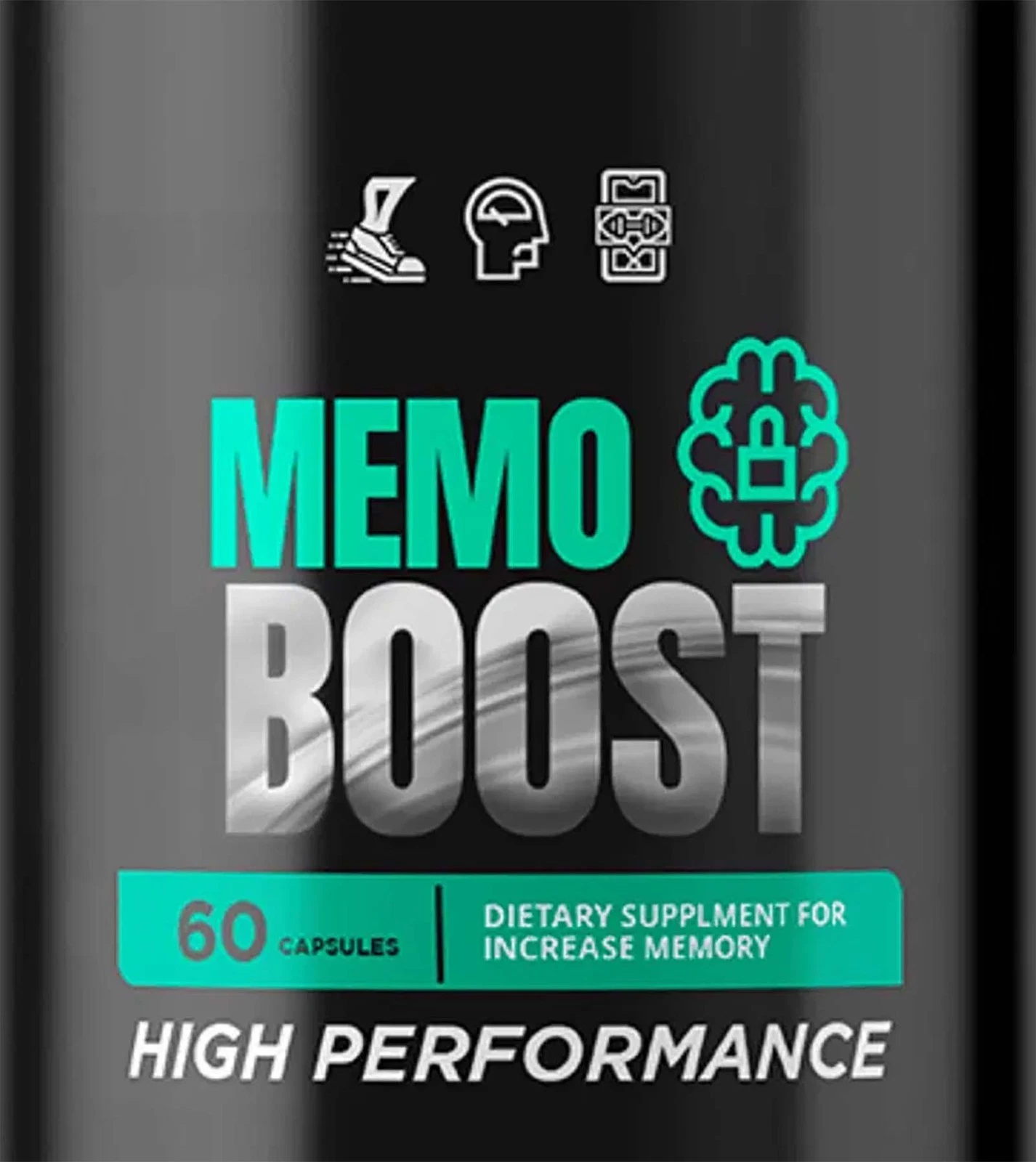
When people compare nootropics, they usually argue about ingredients. But before you get to what is inside, there is a quieter decision that shapes your whole experience: the format. The same nootropic can arrive as a neat capsule or a scoopable powder, and the choice between nootropic capsules vs powder changes how easy it is to dose accurately, how it tastes, how much it costs, and — crucially — how likely you are to keep taking it. This guide walks through the real trade-offs so you can pick the format that fits your life, not just the one on sale.
The headline is simple: neither capsules nor powder is inherently more powerful. A gram of an ingredient is a gram whether it is packed into a shell or scooped from a tub. What actually differs is convenience, precision, taste and cost — and those small differences add up to whether a routine survives past week three.
What each format actually is
A nootropic capsule is a pre-measured dose sealed inside a gelatin or plant-based shell. You take a fixed number of capsules and you are done — no scale, no scooping, no guessing. A daily memory-support supplement is most often sold this way because it makes the routine almost thoughtless.
A nootropic powder is the same active material in loose form, usually sold in a tub with a small scoop. You measure a serving yourself, mix it into water, juice or a smoothie, and drink it. Powders are popular with enthusiasts who build their own stacks and want to adjust amounts precisely.
Dosing accuracy: capsules win by design
This is the single biggest practical difference. A capsule delivers the same amount every time because the manufacturer measured it for you. A powder relies on you and a small scoop, and scoops are notoriously imprecise — a heaped scoop can hold noticeably more than a level one, and volume does not map cleanly onto weight. Serious powder users buy a milligram scale to get around this; casual users often do not, and end up taking a slightly different amount every day without realising it.
The case for a capsule is that the measuring has already happened. The Supplement Facts panel declares an amount per serving, and a capsule makes the serving physically identical every day, which is the only way the panel figure means anything in practice (NIH Office of Dietary Supplements). A scoop levelled by eye reintroduces the variability the panel was meant to remove.
For anything you take daily, consistency of dose is not a technicality — it is the whole point. If you want to judge whether a nootropic is doing anything, you need to give it the same fair, steady dose over time. Capsules make that automatic. If you are still deciding what to look for on the label, our guide on how to choose a memory supplement covers dose transparency in detail.
Taste and tolerability
Many nootropic ingredients are genuinely bitter, earthy or unpleasant on their own. A capsule hides all of that — you swallow it and taste nothing. A powder puts the flavour front and centre, and while some are flavoured to cover it, plenty are not. For a few people the taste is a minor quirk; for others it is the exact reason a tub sits half-used in a cupboard. If taste is likely to derail your consistency, capsules quietly solve the problem.
Convenience and portability
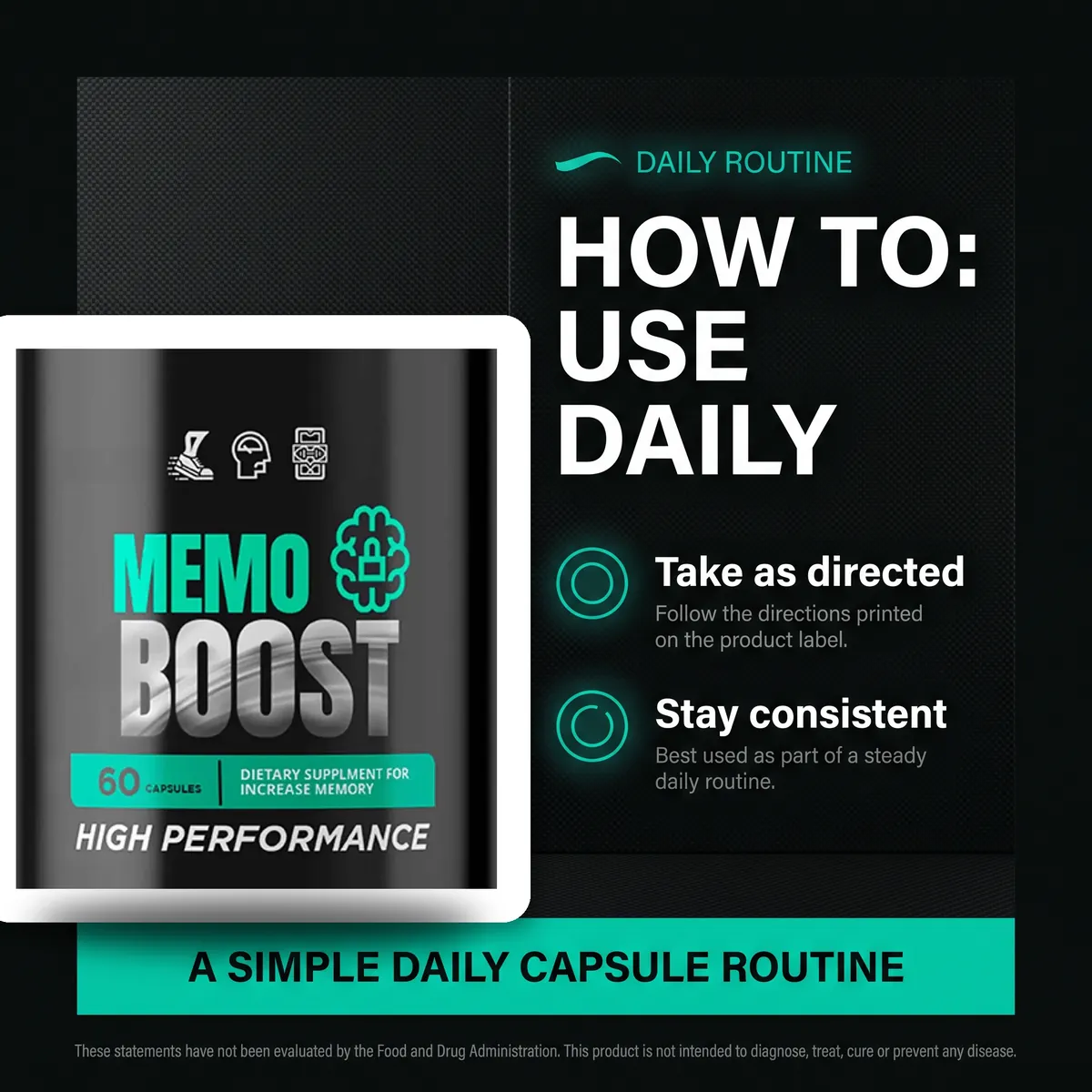
Capsules travel. You can drop a day’s dose in a pocket, a bag or a pill organiser and take it anywhere with a sip of water. A powder tub, a scoop and a shaker are far less friendly to a desk drawer, a gym bag or a work trip. If your day is busy or mobile — and most people’s are — the format that fits into a rushed morning is the format you will actually stick with. Timing matters too; if you are unsure when to fit it in, see our guide on the best time to take a nootropic.
Want the format that fits a busy day?
Memo Boost keeps memory support to a single pre-measured daily capsule — no scooping, no scale, no taste to manage — and it is backed by a 60-day money-back guarantee.
See Memo Boost PackagesAbsorption speed: a smaller difference than it sounds
Powder advocates sometimes argue that loose powder is absorbed faster because a capsule shell has to dissolve first. There is a grain of truth here — a powder mixed into a drink can begin absorbing marginally sooner. But for a daily memory-support routine, this rarely matters. Most of the value in these supplements comes from steady, consistent use over weeks, not from shaving a few minutes off a single dose. If you were taking something purely for a fast, acute effect, timing might tip the scales; for everyday support, it is a rounding error. Our explainer on how long nootropics take to work puts this timeline in perspective.
Speed is the weakest argument in the powder column, because for a daily supplement the relevant timescale is weeks rather than minutes. Cognitive trials of nutritional and herbal products dose steadily over months and read out at the end, not on the afternoon of day one (Cave et al., Systematic Reviews, 2023).
Cost per serving
Powders usually win on raw price per gram. They skip the encapsulation step, avoid the cost of capsule shells, and are often sold in large bulk tubs. If you are comparing a spreadsheet of price-per-gram, powder frequently looks cheaper. But the honest comparison includes the hidden costs: a milligram scale, the time spent measuring and cleaning, the occasional spilled scoop, and the servings wasted when a tub is abandoned because of taste. Capsules cost a little more per dose but bundle in convenience, accuracy and portability — and a product you finish is cheaper than a cheaper product you quit.
Shelf life and storage
Once a powder tub is opened, the contents are exposed to air and humidity every time you scoop, which can affect some ingredients over time and encourage clumping. Capsules keep each dose sealed until you take it, which tends to be more forgiving in a normal cupboard. Neither format is fragile if stored sensibly — cool, dry, out of direct sunlight, tightly closed — but capsules ask less of you to stay in good condition.
Storage is a quality question as much as a convenience one. NCCIH advises keeping supplements as directed and being alert to product changes, since heat, light and moisture can degrade what is inside long before the printed date arrives (NCCIH). A sealed capsule shell is simply a smaller surface for that to happen on.
A quick side-by-side
- Dosing accuracy: capsules (pre-measured) beat powder (self-measured).
- Taste: capsules (none) beat powder (often bitter).
- Convenience & travel: capsules win clearly.
- Cost per gram: powder usually wins on paper.
- Flexibility to adjust dose: powder wins for tinkerers.
- Consistency over months: capsules win, because they are effortless.
So, which format is right for you?
Here is the practical answer without the tribalism:
- Choose capsules if you want a simple daily routine, value an accurate dose without any effort, dislike measuring or taste, or are new to nootropics. This covers most people.
- Choose powder if you are an experienced user who wants to fine-tune amounts, blend your own stack, and you do not mind a scale, a scoop and the taste. The lower price per gram is a real bonus at high volumes.
- For most everyday users, a pre-measured daily capsule is the sweet spot: the same dose every time, no taste, and one less decision to make each morning.
Whichever you choose, remember that the format is only the wrapper. The ingredients, the amounts and your consistency matter far more — and no format can rescue a vague label or a routine you abandon. Once you have the format sorted, the fundamentals still do the heavy lifting: see how to improve memory and focus naturally for the habits that support any supplement.
One pre-measured capsule, every day
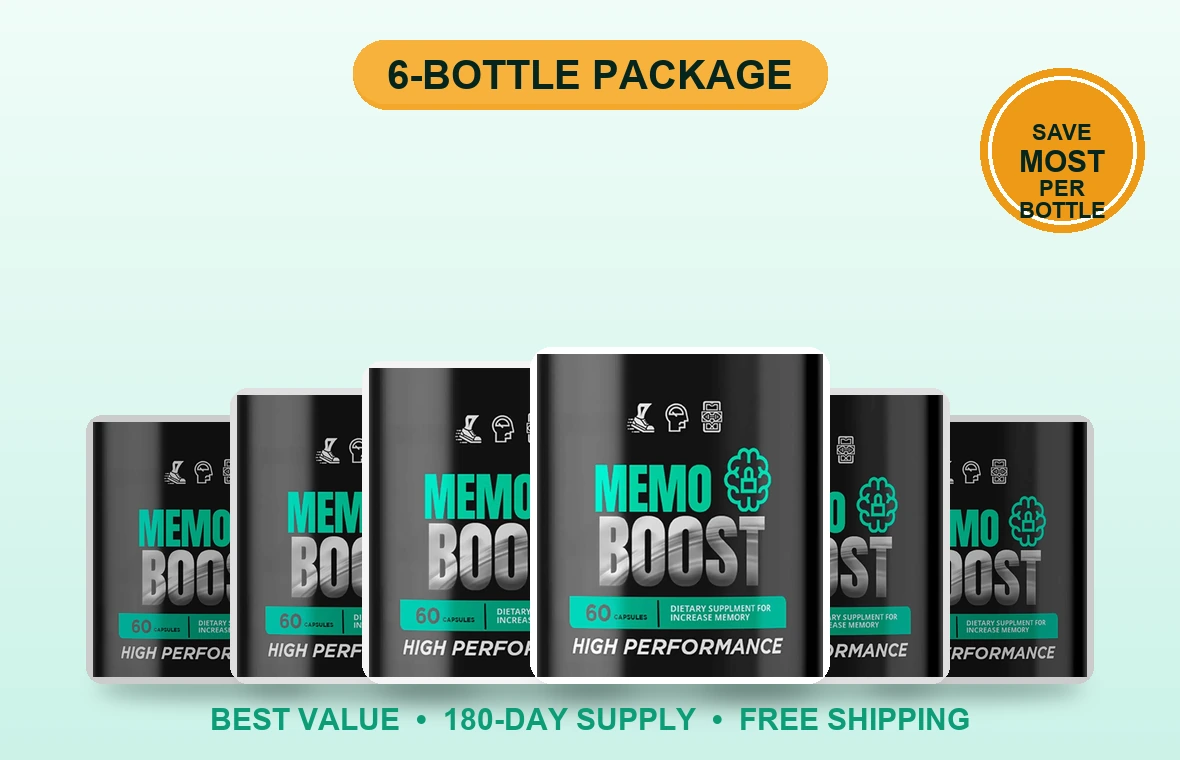
Memo Boost is a simple daily nootropic capsule for everyday memory and focus — try a multi-bottle package with a 60-day money-back guarantee.
 Order Memo Boost Today
Frequently asked questions
Are nootropic capsules or powders more effective?
The format itself does not decide effectiveness. What matters is which ingredients are inside, how much of each, and whether you take it consistently. A capsule and a powder that deliver the same amount of the same ingredient are broadly comparable; capsules simply make it far easier to take the same accurate dose every single day.
Why are nootropic powders usually cheaper per serving?
Powders skip the encapsulation step and the cost of the capsule shells, and they are often sold in larger bulk tubs, so the price per gram can look lower. That saving comes with trade-offs: you have to measure each dose yourself, tolerate the taste, and store the tub carefully once it is opened.
Do capsules work as fast as powders?
A capsule shell takes a little time to break down in the stomach, so a powder mixed into a drink may be absorbed marginally sooner. For a daily memory-support routine this difference is minor and rarely noticeable, because most benefits build with consistent use over weeks rather than depending on a fast single dose.
Can I open a capsule and use the contents as a powder?
Many capsules can be opened, but some ingredients taste unpleasant or are designed to be released in a particular way, so it is not always ideal. Always follow the label directions, and check with the manufacturer or your doctor before altering how a product is taken.
Which nootropic format is best for beginners?
Most first-time users are best served by capsules. They deliver a pre-measured, consistent dose with no scale, no scooping and no taste to manage, which removes the main reasons people abandon a new routine. Powders suit experienced users who want to fine-tune amounts or mix their own stack.
References
- Cave AE, Chang DH, Munch GW, Steiner-Lim GZ (2023). A systematic review of the safety and efficacy on cognitive function of herbal and nutritional medicines in older adults with and without subjective cognitive impairment. Systematic Reviews, 12. PMID 37592293
- National Institutes of Health, Office of Dietary Supplements. Dietary Supplements: What You Need to Know. ods.od.nih.gov
- National Center for Complementary and Integrative Health. Using Dietary Supplements Wisely. nccih.nih.gov
- U.S. Food and Drug Administration. Dietary Supplements. fda.gov
- National Institutes of Health, Office of Dietary Supplements. Dietary Supplements for Cognitive Function, Dementia, and Alzheimer’s Disease. ods.od.nih.gov
- U.S. Federal Trade Commission. Health Products Compliance Guidance. ftc.gov
† These statements have not been evaluated by the FDA. This product is not intended to diagnose, treat, cure or prevent any disease. This article is for general information only and is not medical advice.