How to Spot a Low-Quality Nootropic: Red Flags to Check Before You Buy
| Label red flags | Proprietary blends that hide amounts, missing serving details, and unnamed “complexes.” |
| Marketing red flags | Miracle claims, disease cures, fake urgency, and vague “clinically proven” with no detail. |
| Trust red flags | No third-party testing, no address, anonymous brand, and no real money-back guarantee. |
| Green flags | Itemised label, quality certifications, honest claims, real contact details and a genuine guarantee. |
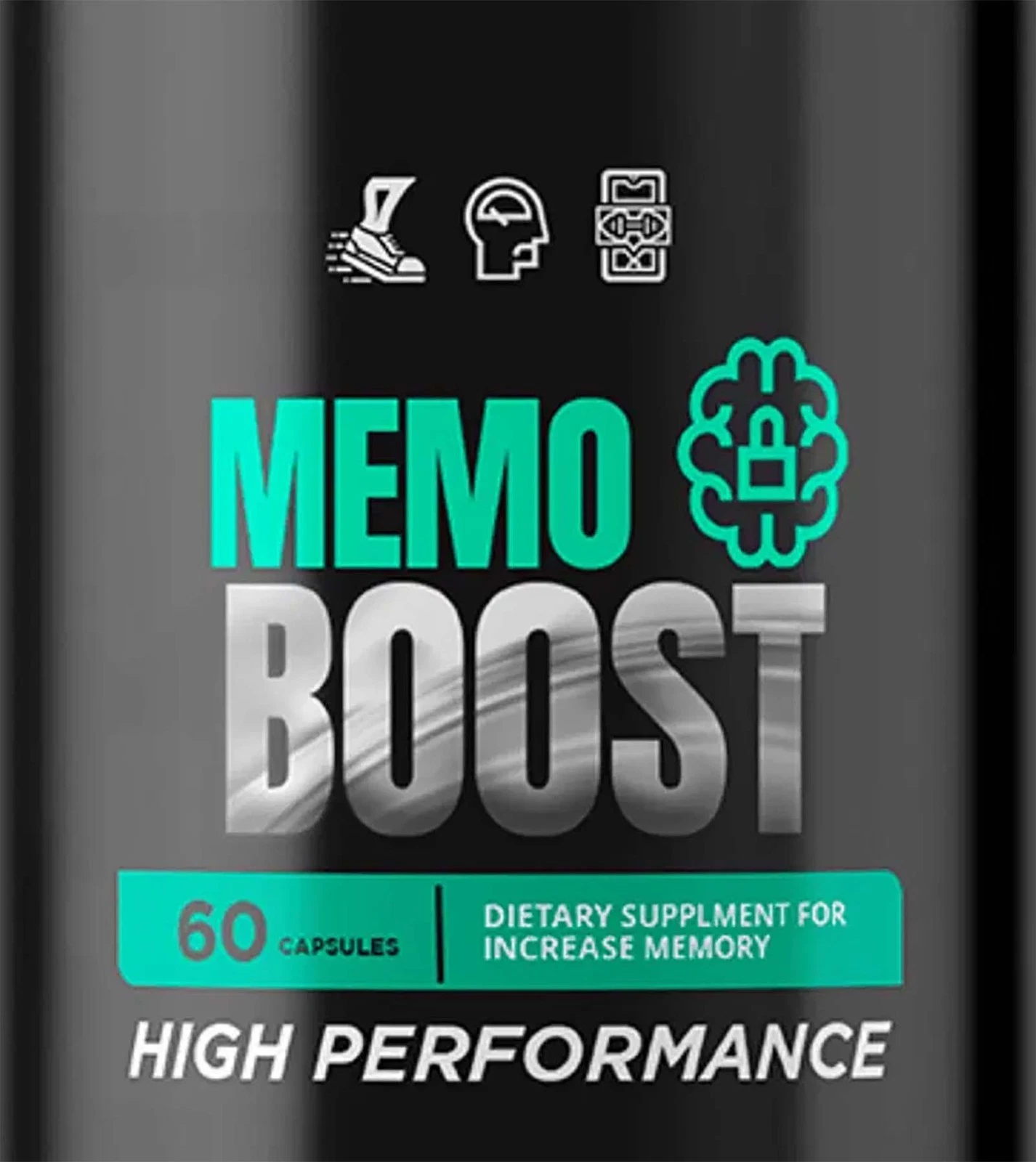
The supplement market is enormous, loosely policed compared with medicines, and full of products that look identical on the shelf but differ wildly in quality. Learning how to spot a low-quality nootropic before you hand over your money is one of the most valuable skills a buyer can have — because the difference between a transparent, well-made product and a vague mystery blend is rarely visible in the marketing. It is visible in the details, if you know where to look.
This guide groups the warning signs into three places they hide: the label, the marketing, and the trust signals around the brand. None of these red flags is proof of a scam on its own, but the more of them a product collects, the more reason you have to keep your wallet closed.
Red flags on the label
The label is where the truth usually lives, and where low-quality products give themselves away first.
An undeclared ingredient is the worst version of a label problem, and it is documented rather than hypothetical. Researchers reviewing FDA warning notices identified 776 dietary supplements containing unapproved pharmaceutical ingredients that did not appear on the label, with many products remaining on sale after the warning was issued (Tucker et al., JAMA Network Open, 2018).
- A proprietary blend that hides amounts. This is the classic warning sign. When several ingredients are grouped under one combined weight, you cannot tell how much of each is inside — which means you cannot tell whether anything is present in a meaningful amount. It is not automatically a scam, but it makes honest comparison impossible.
- No serving size context. If the label lists amounts but buries or omits how many capsules make a serving, the numbers are hard to interpret.
- Fashionable names in tiny amounts. A long list of trendy ingredients, each present in a trace, is “label decoration” — enough to name on the front, not enough to matter.
- No “other ingredients” transparency. A quality product tells you about its fillers, flow agents and capsule material, not just the actives.
For the deeper trade-off between clear blends and vague ones, our comparison of single-ingredient nootropics vs blends covers the proprietary-blend problem in full.
Red flags in the marketing
The louder the promise, the more carefully you should read the fine print.
Some claims are not merely optimistic; they are outside what a supplement is permitted to say. The FTC’s health products guidance requires that objective health claims be backed by competent and reliable scientific evidence before they are made, and treats disease claims as a bright line (U.S. Federal Trade Commission). Copy that crosses it is telling you the brand is not being supervised by anyone who reads that guidance.
- Miracle or disease claims. Any supplement that promises to cure, treat or prevent a disease, or guarantees a dramatic overnight transformation, is waving a red flag. Legitimate supplements describe general or traditional support, not medical outcomes.
- Manufactured urgency. Countdown timers that reset, “only 3 left” that never changes, and relentless pressure to buy now are sales tactics, not quality signals.
- Vague “clinically proven.” The phrase means little without specifics. Proven how, in whom, at what amount? If the detail is missing, treat the claim as marketing.
- Before-and-after theatrics. Cherry-picked testimonials and staged transformations are designed to persuade, not to inform.
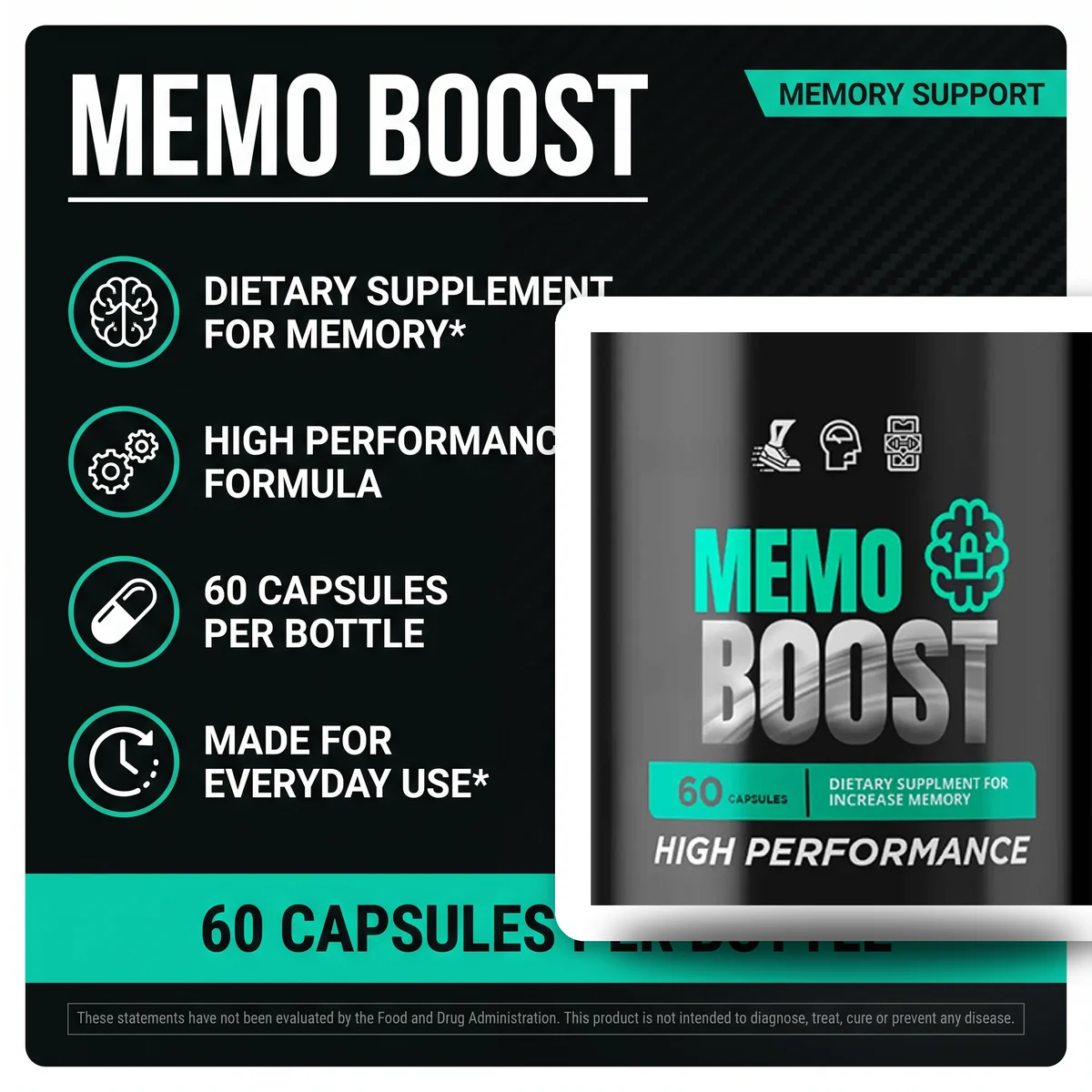
Prefer a transparent, no-hype nootropic?
Memo Boost is a clearly-labelled daily nootropic capsule with honest, specific claims — and a genuine 60-day money-back guarantee you could actually use.
See Memo Boost PackagesRed flags in the brand and trust signals
Quality companies make it easy to find out who they are. Low-quality ones tend to hide.
- No third-party testing or quality certification. Independent lab testing confirms that what is on the label is in the bottle and screens for contaminants. Manufacturing in a GMP-certified facility is a related signal. Their absence is not proof of a bad product, but their presence is reassuring.
- Anonymous brand. No company name, no physical address, no working contact details — if something goes wrong, who do you even call?
- No real guarantee. A confident brand stands behind its product with a genuine, usable money-back guarantee. A no-returns policy, or a “guarantee” wrapped in impossible conditions, tells you how much faith the seller has in the product.
- Nowhere to see reviews outside their own page. Only glowing testimonials, all hosted by the seller, with no independent footprint, is worth a second thought.
A genuine guarantee matters more than most buyers realise — it shifts the risk from you to the seller. Our full buyer’s guide to choosing a memory supplement explains how to weigh a guarantee alongside price and label quality.
Cheap is not the same as low quality
It is easy to assume a low price signals a bad product and a high price signals a good one. Neither is reliable. A suspiciously cheap product may be cutting corners — but an expensive one can still hide behind a vague proprietary blend and slick marketing. Price is just one input. Judge quality by transparency, sensible dosing, quality marks and a real guarantee, then decide whether the price is fair for what you are actually getting. For a framework on cost versus value, see are memory supplements worth it.
Where low-quality products tend to hide
Low-quality nootropics rarely announce themselves on a shop shelf next to a trusted brand. More often they surface where scrutiny is lowest: unfamiliar third-party marketplaces with no verified seller, social-media adverts that vanish after a few weeks, and one-page “deal” sites that exist only to take a payment. That does not mean everything sold online is suspect — far from it — but it does mean the burden of checking falls on you. Buy from the brand’s own site or a reputable retailer where you can see who is behind the product, confirm the batch and expiry, and know exactly how a return would work if the product is not for you.
The categories where harm actually surfaces are consistent. Emergency department surveillance found weight-loss and energy products, especially those bought by younger adults, accounted for a disproportionate share of supplement-related visits (Geller et al., NEJM, 2015). Stimulant-heavy “focus” blends sit uncomfortably close to that group.
Another quiet tell is inconsistency between the sales page and the physical label. If the website promises a long list of impressive-sounding ingredients but the bottle that arrives lists far fewer, or hides them inside a proprietary total, trust the label — it is the legally regulated document, and the marketing is not. When the two disagree, that gap is your answer.
A quick pre-purchase checklist
Before you buy any nootropic, run through this:
- Does the label disclose the amount of each active ingredient?
- Is the serving size clear, and does the amount per day make sense?
- Are there quality signals — third-party testing, GMP-certified manufacturing, clear origin?
- Are the claims honest and specific, or hyped and vague?
- Is there a real company behind it, with an address and contact details?
- Is there a genuine money-back guarantee you could actually use?
If a product ticks these boxes, it clears the quality bar. If it fails several, keep looking — there are plenty of transparent options that will not make you guess.
Buy with confidence, or your money back
Memo Boost is a clearly-labelled daily nootropic capsule — try a multi-bottle package backed by a 60-day money-back guarantee.
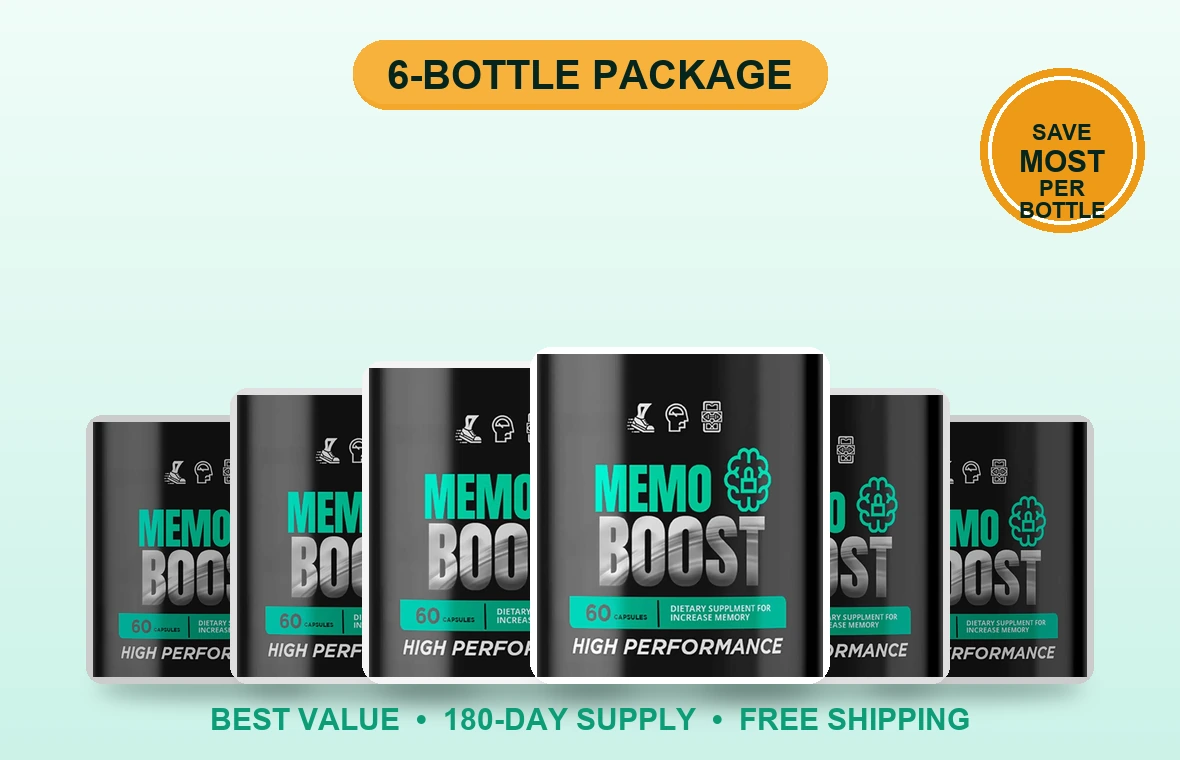 Order Memo Boost Today
Frequently asked questions
What are the biggest red flags in a nootropic supplement?
The clearest red flags are a proprietary blend that hides individual amounts, miracle or disease-cure claims, no third-party testing or quality certification, an anonymous brand with no address or contact, and no genuine money-back guarantee. Any one of these is a reason to look closer; several together is a reason to walk away.
Is a proprietary blend always a red flag?
Not always, but it is a caution sign. A proprietary blend lists several ingredients under one combined weight without telling you how much of each is inside, which makes it impossible to know whether an ingredient is present in a meaningful amount. Many careful buyers prefer labels that disclose each amount so they can compare products fairly.
Does third-party testing matter for nootropics?
It is one of the strongest quality signals. Third-party testing means an independent lab has checked that what is on the label matches what is in the bottle and screened for contaminants. Manufacturing in a GMP-certified facility is a related signal. Their absence does not prove a product is bad, but their presence is reassuring.
Are cheap nootropics always low quality?
No. Price alone does not decide quality, and an expensive product can still hide a vague label. What matters is transparency, sensible dosing, quality marks and a real guarantee. A fair price for a clearly-labelled, well-made product is better value than either a suspiciously cheap mystery blend or an overpriced one.
How can I check if a nootropic brand is trustworthy?
Look for a real company name, a physical address and working contact details, a clear and itemised label, quality certifications, honest and specific marketing rather than hype, and a genuine money-back guarantee you could actually use. A brand confident in its product tends to make all of this easy to find.
References
- Tucker J, Fischer T, Upjohn L, Mazzera D, Kumar M (2018). Unapproved Pharmaceutical Ingredients Included in Dietary Supplements Associated With US Food and Drug Administration Warnings. JAMA Network Open, 1(6). PMID 30646238
- Geller AI, Shehab N, Weidle NJ, et al. (2015). Emergency Department Visits for Adverse Events Related to Dietary Supplements. New England Journal of Medicine, 373(16). PMID 26465986
- U.S. Federal Trade Commission. Health Products Compliance Guidance. ftc.gov
- National Institutes of Health, Office of Dietary Supplements. Dietary Supplements: What You Need to Know. ods.od.nih.gov
- National Center for Complementary and Integrative Health. Using Dietary Supplements Wisely. nccih.nih.gov
- U.S. Food and Drug Administration. Dietary Supplements. fda.gov
† These statements have not been evaluated by the FDA. This product is not intended to diagnose, treat, cure or prevent any disease. This article is for general information only and is not medical advice.